
No one represents mastery more than Pablo Picasso. His masterpiece Women of Algiers sold at auction in New York for over $179 million in 2015, shattering all previous records. His most famous works are instantly recognizable, and he pioneered several styles and genres of modern art throughout his prolific career.
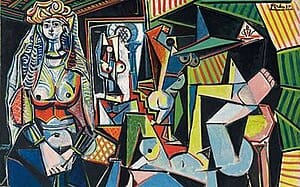
We think of Picasso’s creative brilliance as a heavenly gift. Certainly, he had natural talent. But the real secret to his mastery was the sheer volume he created. Over his 78 years as a professional artist, Picasso created 147,800 pieces including 13,500 paintings, 100,000 prints and engravings, 300 sculptures and ceramics and 34,000 illustrations. He even penned 300 poems.
In other words, Picasso did the reps. His skill was harnessed through consistent output and thousands of hours toiling away at his beloved craft. Of the staggering 147,800 original works he created, only 44 are considered truly famous. That’s just 0.0298% of his total work product that’s recognizable to all but the most sophisticated experts.
To me, this is liberating. We put so much pressure on ourselves to deliver legendary work — every time — and then get disappointed when we inevitably fall short. If Picasso’s win rate is under three-tenths of one percent, can’t we all accept a few stumbles on the way to greatness?
The truth is that any skill worth pursuing is mastered through repetition far more than natural talent. Which means that we mere mortals can develop mad skills in the things that matter most to us, as long as we’re willing to do the reps.
Whether your passion is sports or business, science or the arts, realize that your skills are directly linked to the consistency and persistence of your practice. We can all become the masters of our craft if we’re willing to endure relentless training.
As Tony Robbins puts it, “Repetition is the mother of skill.” Master your skill through grit and determination, and before long…. you’ll be considered a “natural.”