
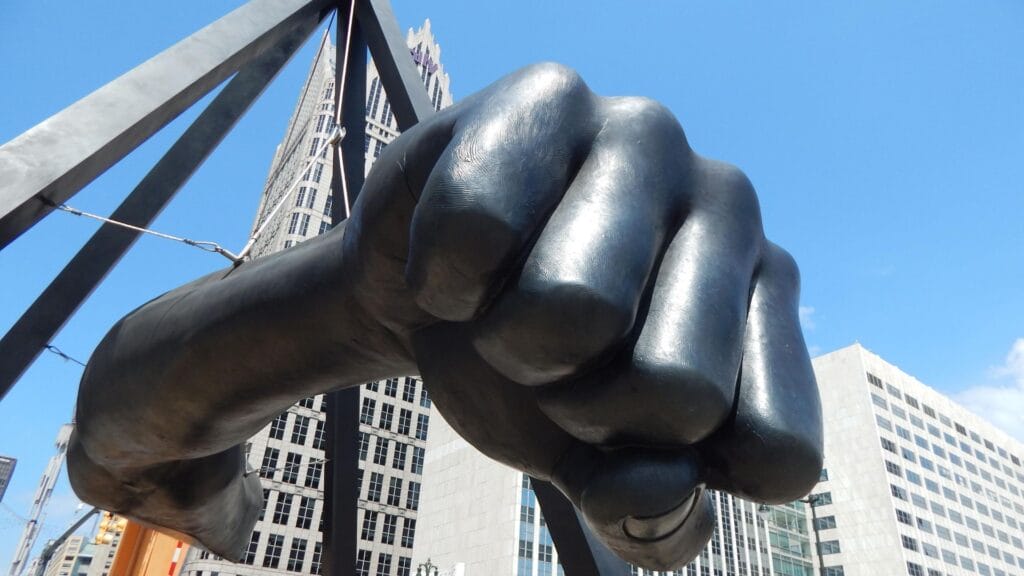
The tighter you grip, the less you control.
We’ve been conditioned to believe that forcing outcomes is the path to success. Clench your jaw. White-knuckle it. Will the result into existence through sheer intensity. And the minute something falters, spike the anxiety, double down on the pressure, and grip even harder.
This is the approach most of us default to—in our careers, our relationships, our creative work, our health. It feels like discipline. It looks like commitment.
But it usually misses the target.
Tim Gallwey discovered this on the tennis court. As a coach in the 1970s, he noticed that when he stepped back and gave his students less instruction, they improved faster. The players who tried the hardest—gripping their rackets, overthinking every shot—performed the worst. The ones who settled into relaxed focus found their best game almost effortlessly. He called this “the inner game,” and the idea spread far beyond tennis. It reshaped how coaches, musicians, surgeons, and executives think about peak performance—and the book has sold over a million copies since.
This idea has deep roots. There’s a concept in Eastern philosophy called wu wei, which translates roughly to “effortless action.” The idea is that the most effective way to move through the world is to act with full intention and full effort while releasing your attachment to the specific outcome. Pour everything into the work. Then let the result unfold.
In the Tao Te Ching, written over 2,500 years ago, Lao Tzu used water as the ultimate metaphor for this approach. Water is the softest, most yielding substance on earth. And yet, given enough time, it wears through solid rock. The Grand Canyon wasn’t carved by force. It was carved by flow.
The pattern holds everywhere you look. The leader who micromanages every detail creates a team that stops thinking for themselves. The salesperson who chases a deal with desperate energy pushes the prospect away. The entrepreneur who clings to a single rigid vision misses the pivot that would have changed everything.
Forcing creates tightness. And tightness creates blindness.
The key to applying this in our daily lives is remembering that flowing isn’t passive. It requires tremendous discipline and real courage to do excellent work and then trust the outcome to unfold on its own terms.
Anyone can clench their fists and push harder. It takes a more evolved kind of strength to stay open, stay engaged, and let the river carry you.
This week, notice where you’re forcing. Then loosen your grip, and trust the river.
To your creative success…
Subscribe here to get these posts in your inbox.
If you’d like to have me speak at your upcoming event, connect here.