
The story of the Endurance and Ernest Shackleton is one of the greatest and most told leadership stories. But I want to focus on a specific detail that had nothing to do with food or shelter, but may have mattered as much as either.
In 1915, the British explorer’s attempt to cross the continent ended when the ice closed around his ship and crushed it. Shackleton knew what the ice did to men. An earlier ship that overwintered in the Antarctic saw crew members descend into madness from the isolation, and that story shaped how he led. He understood that his men’s spirits would need as much protection as their bodies.
The wreck left the men stranded on drifting pack ice hundreds of miles from help. Survival meant hauling sledges and lifeboats across a frozen sea, so every ounce mattered. Shackleton told his twenty-seven men they could each keep two pounds of what they owned. Diaries, instruments, and keepsakes were abandoned where they fell.
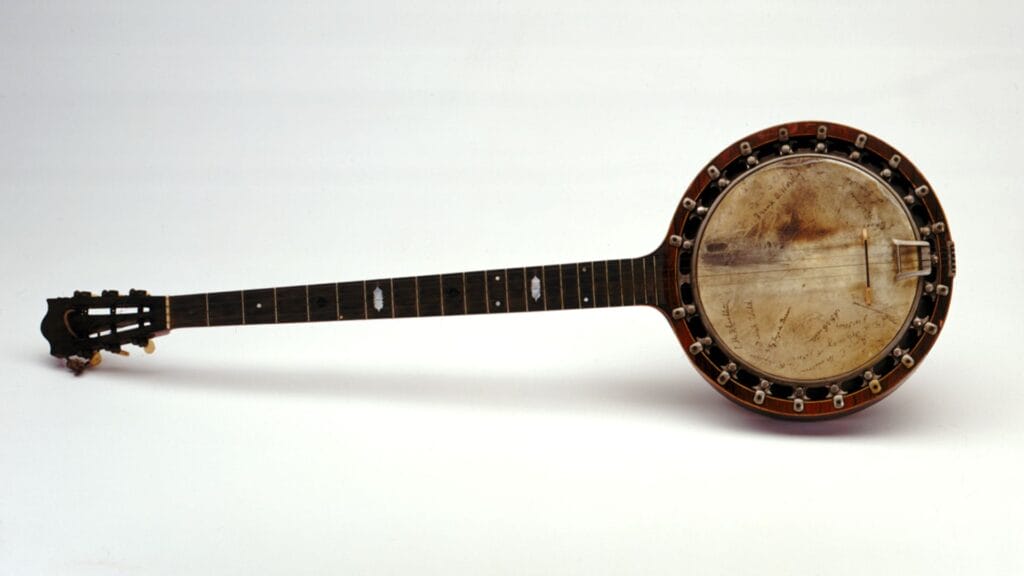
He made one twelve-pound exception.
When Leonard Hussey, the expedition’s meteorologist, prepared to leave his banjo behind, Shackleton stopped him. He had already retrieved the instrument from the wreckage personally. His reasoning became one of his most quoted lines: “We must have that banjo. It’s vital mental medicine, and we shall need it.”
Months later, with no rescue coming, Shackleton and five companions set out in an open lifeboat on an 800-mile voyage to the nearest inhabited island, hoping to bring back help. The twenty-two men left behind on Elephant Island endured more than four additional months of cold, hunger, and the slow collapse of the will to keep going. Every Saturday night, Hussey played. The men sang, wrote new songs, and held concerts inside their makeshift shelter.
Every single member of the expedition survived. All twenty-eight men came home from the most hostile environment on the planet, an outcome that defied all odds. Expeditions of the time routinely lost men to starvation and exposure. “The quality I look for most is optimism,” Shackleton later said, “especially optimism in the face of reverses and apparent defeat. Optimism is true moral courage.”
Take away the Saturday concerts and the singing, and it is hard to imagine the same ending. The banjo decision looks charming a century later. At the time, it was a leader deciding that his men’s morale was worth as much as their food.
Today, it’s more important than ever for leaders to be artful. In the AI era, the pressure to boost productivity has never been more intense. Leaders are being asked to do more with smaller teams, and every week brings a new tool promising to make everything faster and cheaper.
That’s what the market demands, so we all have to play ball. But the leaders pulling ahead are also investing in the spirits of their people, making deliberate decisions for no other reason than to lift morale. The ROI won’t show up on a spreadsheet. When hard times hit, those decisions can turn out to be strokes of genius.
A leader who pauses to consider how their people are feeling, and then acts on it, is practicing the same craft Shackleton practiced on the ice. That twelve-pound banjo was worth its weight in gold.
Your “banjo” decision might seem small or silly in the moment. It might cost a little time or budget that the numbers say you can’t spare. But the returns could end up being far greater than anyone could have predicted.
To your creative success…

Subscribe here to get these posts in your inbox.
If you’d like to have me speak at your upcoming event, connect here.