
Space is having a moment. Project Hail Mary is dominating the box office, and Artemis II’s crew is stealing hearts around the world.
But there’s another space story almost 20 years in the making that deserves your attention. One without a billion-dollar NASA budget or a Hollywood screenplay.
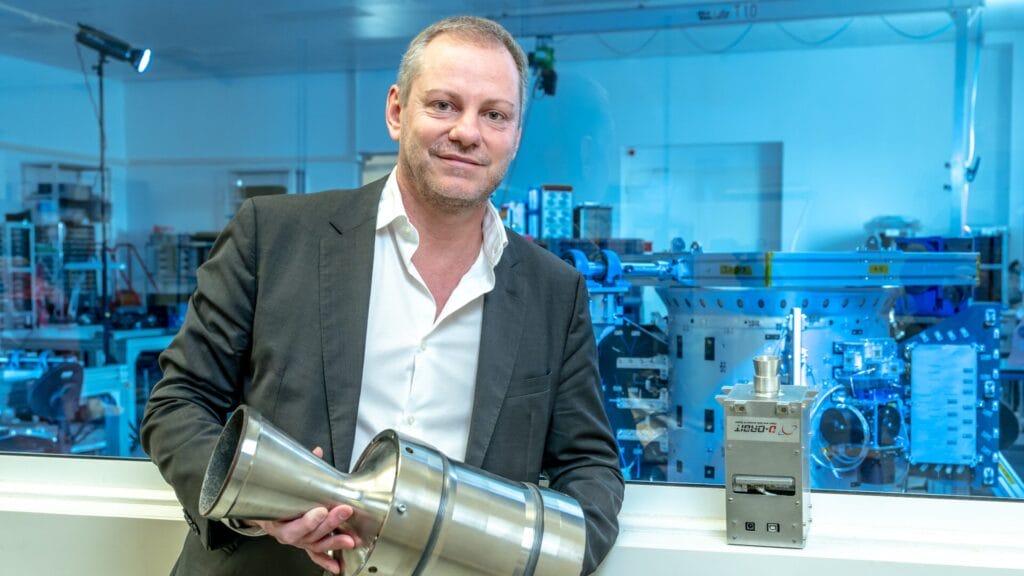
Luca Rossettini dreamed of being an astronaut from the time he was five years old. He built his entire life around it — aerospace engineering, a PhD in space propulsion, years of training and preparation. In 2008, he applied to the European Astronaut Corps. Out of roughly 10,000 candidates, he made it to the final 192. And then he got the letter. ESA opens its astronaut selection roughly once a decade — for Luca, this was likely his only shot.
The lifelong dream was over.
But Luca’s love of space wasn’t. He threw himself into the industry, and one problem grabbed him and wouldn’t let go: since the dawn of the space age, we’ve been filling Earth’s orbit with junk — dead satellites, discarded rocket stages, fragments from collisions. An estimated 130 million pieces of debris now circle the planet, some traveling over 17,000 miles per hour. Experts warned that if it keeps accumulating, entire orbital zones could become permanently unusable — threatening everything from GPS signals to future space travel itself.
Luca had an idea: a device you could attach to a satellite before launch that would steer it safely out of orbit at the end of its life. Prevent the junk from piling up in the first place.
He went to banks to try and get funding, and they laughed him out of the room. Too risky, too strange, too far out. So Luca found a side door.
He won a Fulbright scholarship, flew to Silicon Valley, talked his way into an internship at NASA Ames, and learned how to build a company. Then he went back to Italy, assembled a small team of believers, and in 2011 launched D-Orbit.
The device worked. The European Commission funded it. ESA endorsed it. D-Orbit proved it in orbit.
But Luca wasn’t content to stop there.
He saw a much bigger opportunity emerging — the entire space economy was booming and it had no logistics infrastructure.
So he expanded D-Orbit’s mission. The company built a satellite carrier that could transport batches of satellites across orbits and release each one into its precise position — last-mile delivery for space.
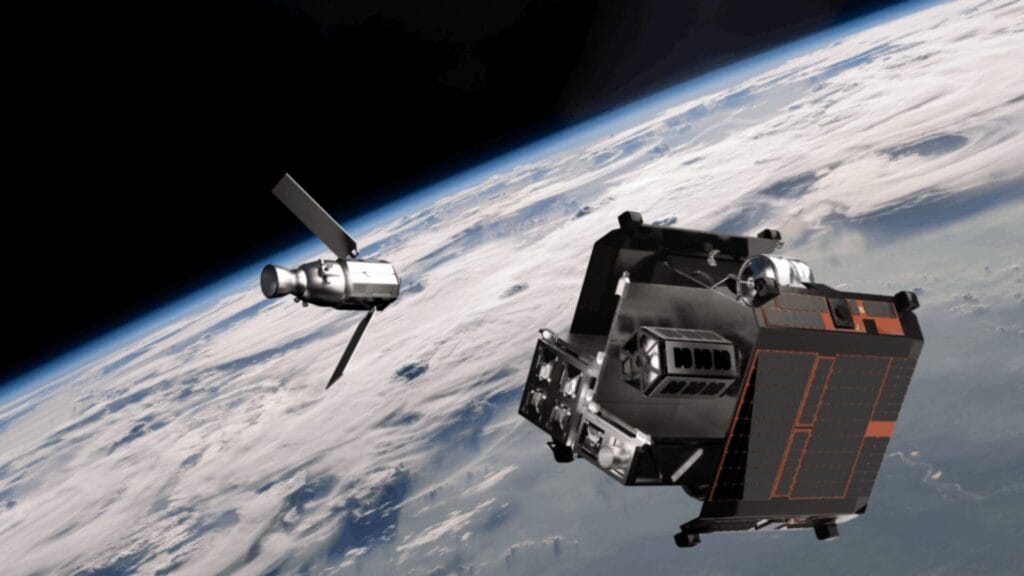
The first commercial mission launched in 2020. Within five years, D-Orbit had completed 21 missions and delivered over 200 payloads to orbit.
And along the way, the original vision came back around.
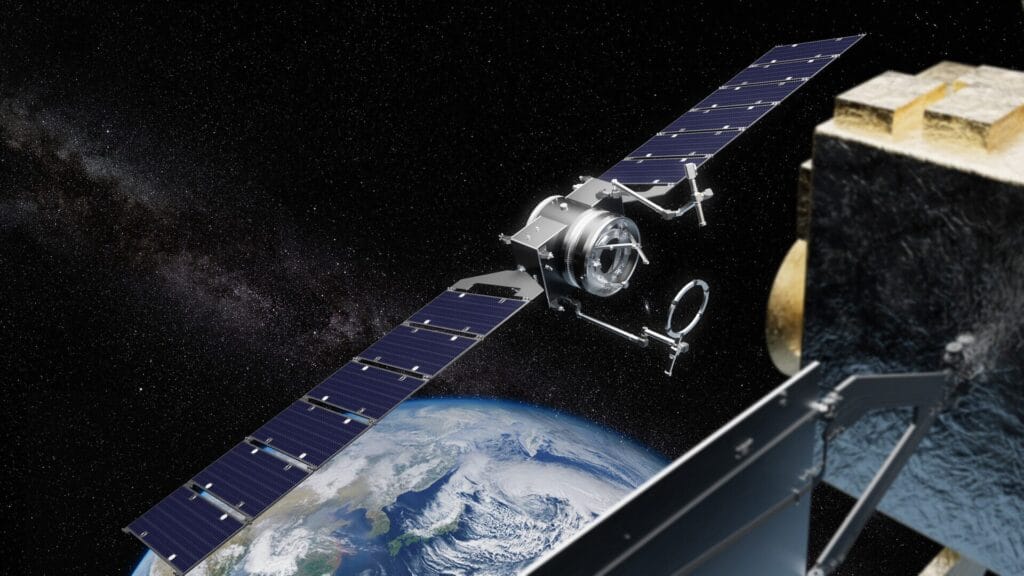
In October 2024, Luca signed a €119.6 million contract with the European Space Agency to build RISE — Europe’s first-ever commercial in-orbit servicing spacecraft.
RISE will dock with aging satellites high above Earth and extend their operational lives. Refueling. Repositioning. Repairing. The automotive service center of the cosmos.
The company has now raised over $170 million in total funding, launched a joint venture in the United States, and employs hundreds of people.
It started with a man who got told no, took a scholarship to Silicon Valley, and decided that if he couldn’t go to space himself, he’d make space work better for everyone who could.
The obstacles were real. The path wasn’t obvious.
But Luca Rossettini found a way.
To your creative success…

Subscribe here to get these posts in your inbox.
If you’d like to have me speak at your upcoming event, connect here.