
North Korea, a country with whom we were recently on the brink of nuclear war, has just singed a peace accord with their nemesis (and our ally), South Korea. The two countries concluded a historic peace summit to denuclearize the peninsula and even explore unification of the two previously enemy states.
Things that we thought would never be possible are coming to life at an unprecedented rate. 3D-printed homes in developing countries that can be produced, in 24 hours, for under $4000 are providing safety and shelter to those in impoverished regions. Augmented-reality training for surgeons to conduct remote procedures using advanced robotics are saving lives across thousands of miles. A baby crib maker’s print ad that doubles as a pregnancy test is providing a glimpse into the intersection of marketing and biochemistry.
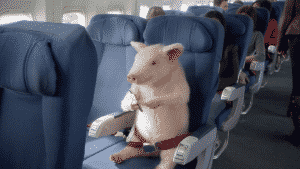
The old saying of disbelief – “Yeah… that’ll happen when pigs fly” – is quickly morphing into a new reality. Today, we’re experiencing a rate of change like none other in history. The ideals, beliefs, and perspectives of the past are flipping upside down to reveal a wildly different future. This is why I’m baffled when I see business people desperately clinging to the past, relying on old approaches instead of crafting new ones.
Too often, we fall into the trap of thinking that our past successes will enable future ones. We tend to overestimate the risk of trying something new, yet underestimate the risk of standing still. As we witness events we never thought possible, we remember the need to accelerate our own rate of change, innovation, and creativity.
Each external change – from geopolitical turmoil, to breakthrough technology advances, to changing consumer expectations – creates an opportunity for those willing to embrace a new model. Concurrently, these seismic shifts become existential threats for those who refuse the new rules of engagement.
When foes become friends, customers become competitors, and suppliers become surrogates, refusal to transform our approach is a fool’s bet. On the other hand, those that lean into change and pioneer fresh models are those who make history.
Pigs are officially flying. The question is, are you?